If you are thinking about buying a townhome or brownstone in Weehawken, you are probably looking for something that feels different from the typical condo. More space, more privacy, and maybe even parking or outdoor space can be a big draw, especially if you want a Manhattan-friendly location without giving up room to spread out. The trade-off is that these homes can come with more moving parts, from ownership structure to parking rules, so it helps to know what to look for before you buy. Let’s dive in.
Where townhomes fit in Weehawken
Weehawken is not a townhome-only market. According to Census data, 86% of housing units are in multi-unit structures, and the owner-occupied housing rate is 30.4%. That makes attached homes an important part of the local mix, but they exist within a market that is still heavily shaped by condos and multifamily buildings.
That context matters when you start your search. A townhome or brownstone in Weehawken may offer a very different ownership experience than a condo, but it is still part of a local housing stock where shared walls, multifamily layouts, and mixed-use ownership models are common.
What “brownstone” often means here
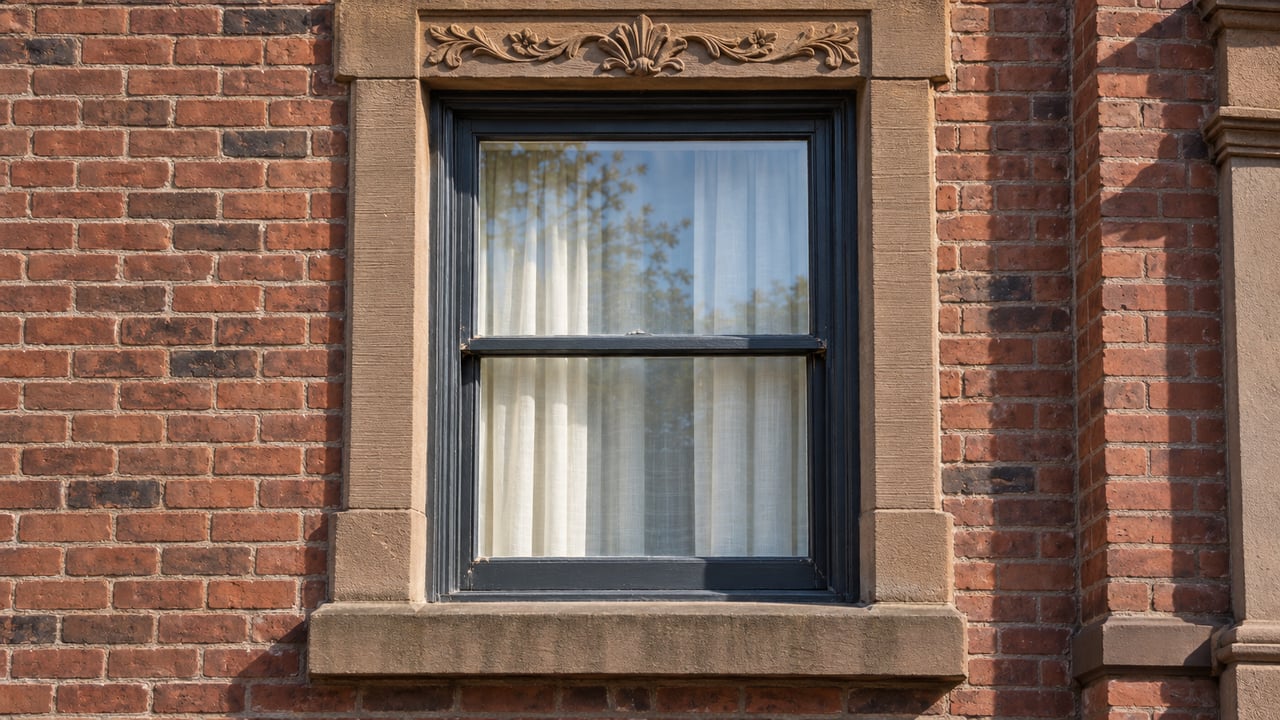
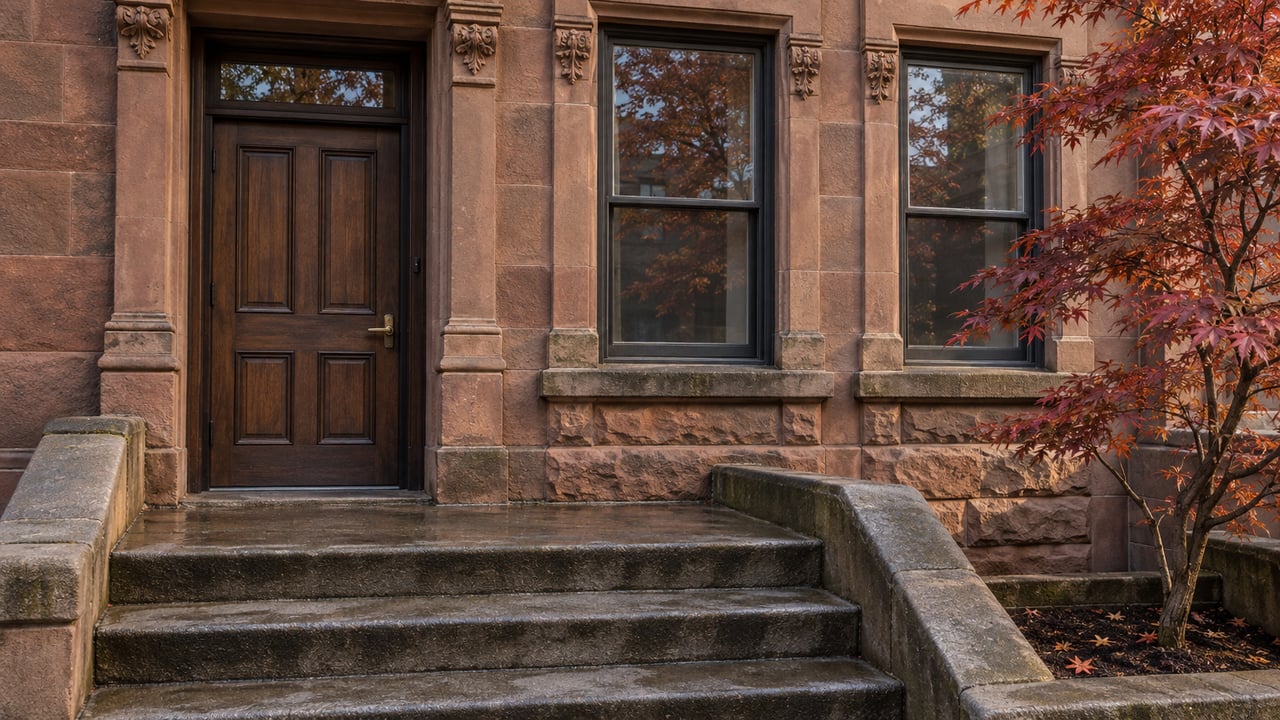
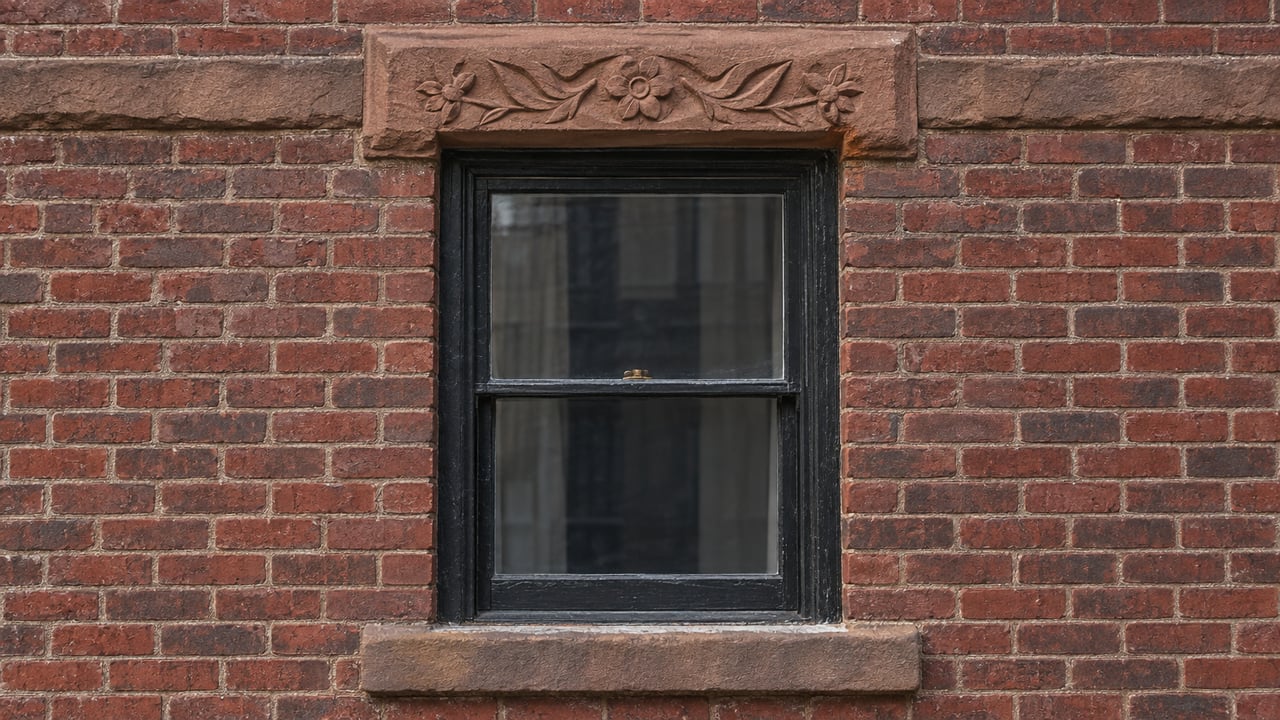
In Weehawken, the word “brownstone” is often more of a style reference than a strict building classification. You may see it used for older row houses, brick homes, or renovated historic properties that have the look and feel buyers associate with classic urban homes.
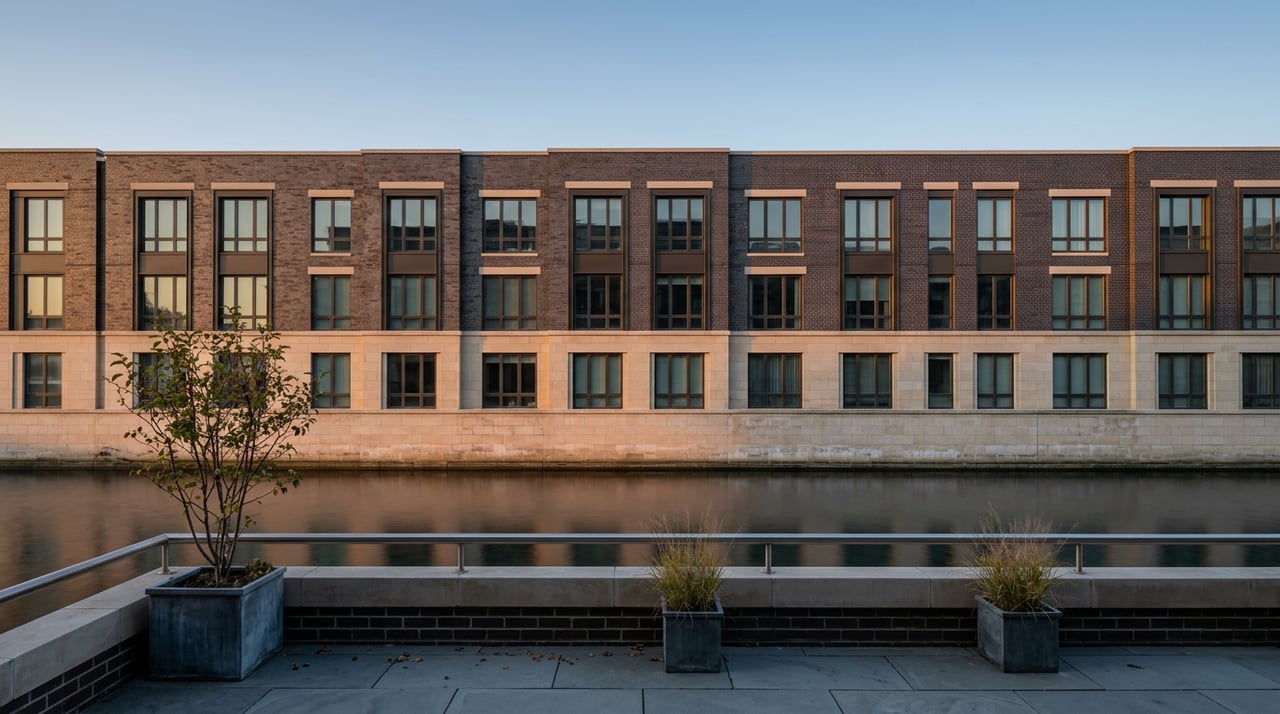
Older brownstone-style homes are more likely to appear in Bluff and King’s Bluff settings, where historic homes sit atop the Palisades and may offer Hudson River and Manhattan skyline views. On the waterfront, newer townhome-style options appear around Port Imperial, giving buyers a very different product with a more modern layout and finish level.
Typical layouts can vary a lot
One of the biggest surprises for buyers is how wide the layout range can be. In Weehawken, you may find a modern four-story waterfront townhouse with an elevator, garage, terraces, and multiple bathrooms. You may also come across an older brick row house, a renovated two-family that now lives like a single-family home, or a three-family property with separate units and parking.
That means you should avoid assuming that every townhome or brownstone will offer the same lifestyle. Some homes are designed for turnkey living, while others may require updates or come with a layout shaped by an earlier era of construction.
Common features you may see
- Multiple stories
- Shared or party walls
- Garage or driveway parking
- Outdoor terraces or yard space
- Renovated interiors mixed with older structural layouts
- Multifamily origins, even when currently used as single-family homes
Understand the legal ownership before you fall in love
This is one of the most important steps in Weehawken. The township defines a townhouse as a dwelling unit with at least two stories and a common or party wall with an adjacent unit. That definition describes the physical form, but it does not automatically tell you how the property is legally owned.
Current listings show different ownership structures. One property may be a condo, another may be listed as a townhouse, and another may be described as fee simple while still grouped with condo or townhouse property types. In plain terms, a home that looks like a townhome does not always mean you own it the same way you would own a detached single-family house.
What to verify early
- Whether the home is fee simple or condominium ownership
- Whether there is a homeowners association
- Monthly dues and what they cover
- Rules for exterior changes, maintenance, and shared spaces
- Any documents that affect parking, storage, or outdoor areas
This is where careful review matters. If you are comparing two similar-looking homes, the ownership structure can change your monthly costs, flexibility, and long-term responsibilities.
Parking is a bigger issue than many buyers expect
Parking can be a deciding factor in Weehawken, especially if you own a car and expect easy street access. The township has a residential parking program that requires valid permits for street parking during restricted hours. Residents with stickers can park in any zone, while visitors must park in the correct color zone and use a visitor permit.
Visitor permits can allow overnight parking in the designated zone, but they are not meant for commuting use. Misuse can lead to a summons. If a home does not include enough private parking for your household, you will want to think carefully about how daily parking will work in real life.
Why private parking matters
- It can reduce day-to-day stress
- It may be especially helpful if your guests visit often
- It can add practical value in a market with parking rules
- It may affect resale appeal later on
Township zoning also shows how important parking is locally. In the R-3 zone, new townhouse groups must provide two off-street parking spaces per unit, including one garage space.
Commute convenience is still a major draw
For many buyers, the reason to stretch for a Weehawken townhome is simple: you can get more space while staying close to Manhattan. Port Imperial is a key transit hub, with NY Waterway ferry service to Midtown/W. 39th Street and weekday Downtown service to Pier 11/Wall Street and Brookfield Place. NJ Transit also identifies Port Imperial Station as Weehawken’s Hudson-Bergen Light Rail stop, with links that connect riders to the ferry.
Census Reporter lists the mean travel time to work at 36.8 minutes. If your schedule depends on frequent trips into Manhattan, transit access and the home’s exact location within Weehawken should be part of your search from day one.
What the market says right now
Market context helps you set expectations. Realtor.com’s Weehawken townhome page shows a median listing home price of $1.1 million, a median listing price per square foot of $727, and median days on market of 44. The broader Weehawken market was described as balanced in May 2026, with homes selling in a median of 50 days and at 99% of list.
At the ZIP code level, 07086 was marked as a buyer’s market in February 2026, with 75 homes for sale and a 39-day median time on market. Zillow’s home value index placed the average Weehawken home value at $864,372 as of April 30, 2026. Taken together, these numbers suggest a market where pricing, property condition, and product type can all shape how quickly a home moves.
What to compare when touring homes
When you walk through Weehawken townhomes and brownstone-style homes, it helps to compare them through a practical lens. The goal is not just to find a beautiful property. It is to find the right fit for your budget, routine, and future plans.
Focus on these details
- Layout: Does the floor plan work for daily life, guests, or work-from-home needs?
- Condition: Is the home turnkey, partly updated, or likely to need major work?
- Ownership: Are you buying fee simple ownership or a condo interest?
- Monthly costs: Are there association dues, shared maintenance costs, or parking-related expenses?
- Parking: Is there a garage, driveway, or enough practical access for your household?
- Outdoor space: Is it private, shared, deeded, or limited-use?
- Commute: How close is the home to Port Imperial, Light Rail access, or other transit links?
Why due diligence matters more here
In a market like Weehawken, attached homes can look similar on the outside while functioning very differently on paper. A renovated row house, waterfront townhome, and multifamily conversion may all appeal to the same buyer, but each can come with its own ownership rules, maintenance obligations, and resale considerations.
That is why buyers benefit from a careful, local read on the details. Beyond finishes and views, you want to understand how the home is classified, how it is used today, and what that means for your costs and flexibility later on.
The bottom line for Weehawken buyers
Buying a Weehawken townhome or brownstone can be a smart move if you want more space, more privacy, and strong access to Manhattan. The key is knowing that this corner of the market is not one-size-fits-all. Between shared walls, title differences, parking rules, and a wide range of layouts, the best purchase usually comes down to matching the property to the way you actually live.
If you want expert guidance as you compare Weehawken townhomes, brownstones, and waterfront homes, connect with Staci Manoukian for thoughtful, hands-on support tailored to your goals.
FAQs
What is a townhouse in Weehawken?
- In Weehawken, a townhouse is defined by the township as a dwelling unit with at least two stories and a common or party wall with an adjacent unit.
Are all Weehawken townhomes fee simple properties?
- No. Current listings show that some townhome-style properties are condos, while others may be fee simple, so you should verify the legal ownership structure before you buy.
Where are brownstone-style homes found in Weehawken?
- Older brownstone-style homes are more likely to be found in Bluff and King’s Bluff settings, while newer townhome-style options are common around Port Imperial.
How important is parking when buying in Weehawken?
- Parking is very important because Weehawken uses a residential permit parking system, and visitor permits have zone rules and use limits.
What is the typical price point for a Weehawken townhome?
- Realtor.com reported a median listing home price of $1.1 million for Weehawken townhomes, though individual pricing will vary by location, condition, size, and ownership type.
Is Weehawken a good option for Manhattan commuters?
- Weehawken offers strong Manhattan access, especially through Port Imperial ferry service and Hudson-Bergen Light Rail connections, which is a major draw for many buyers.