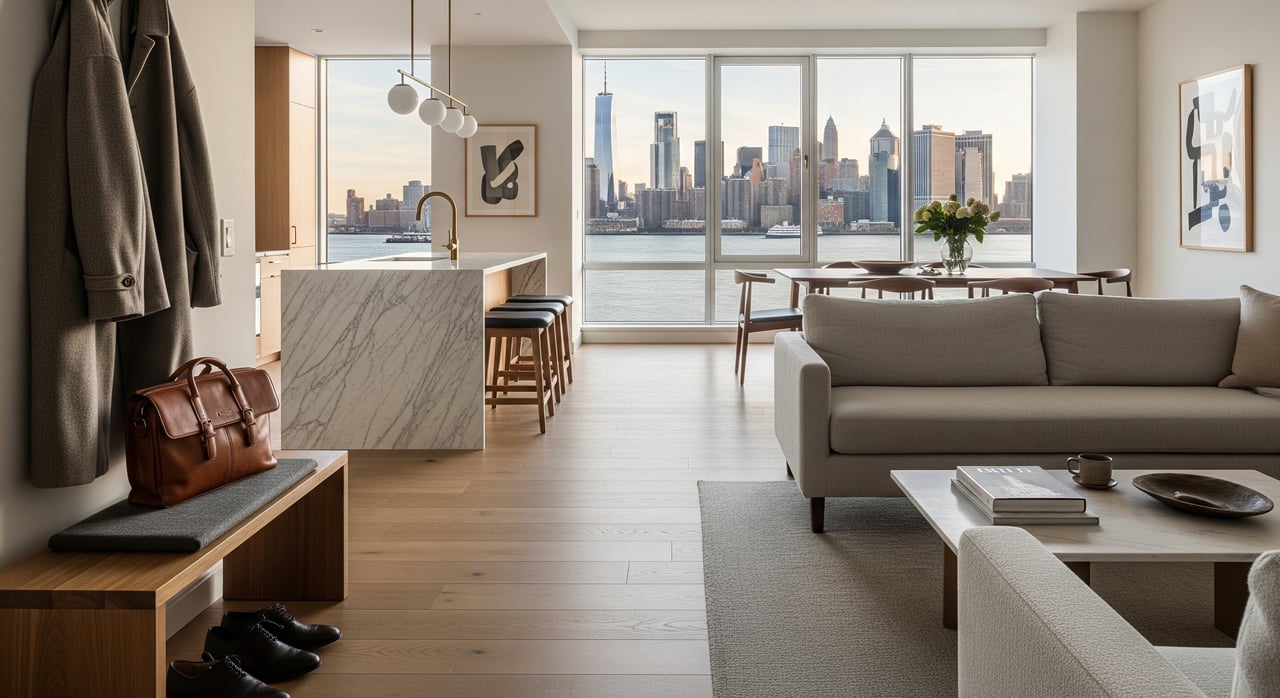
Thinking about trading a cramped Manhattan apartment for more space without giving up your easy commute? Hoboken might be your sweet spot. You get small-city convenience, big-city access, and a neighborhood feel that fits busy workdays and relaxed weekends. In this guide, you will learn how the commute really works, what daily routines look like, where people spend time, and how to plan housing and budget decisions with confidence. Let’s dive in.
Why Hoboken works for commuters
Hoboken sits on the Hudson River directly across from Manhattan, so you are close to the action with a little more breathing room. The city is compact and highly walkable, which makes it simple to grab coffee, run errands, and reach transit hubs on foot. Many professionals choose Hoboken because it blends the energy of an urban neighborhood with the comfort of a smaller community.
Walkability and transit access are a core part of daily life. Most errands can be handled within a few blocks, and you will find frequent transit options at Hoboken Terminal and nearby stops. The density supports a lively main street and a steady flow of commuters who value reliable routes into Midtown and Lower Manhattan.
Getting into Manhattan
PATH trains
For many residents, PATH is the go-to. From Hoboken Terminal, trains run to Midtown around 33rd Street and to the World Trade Center depending on service patterns. During weekday peaks, trains come frequently, and you should expect crowding. Think of PATH like a subway connection that makes your commute predictable most days. If you work unusual hours or travel on weekends, check for maintenance advisories before you head out.
Ferries
Ferries offer a comfortable and scenic alternative. Sailings connect Hoboken to Midtown and the World Trade Center areas. Boat time is quick, often minutes on the water, and you get a seat and skyline views. Ferries are typically more expensive than PATH and less frequent, but they are a great backup when rail service is crowded or disrupted.
NJ Transit rail and buses
Hoboken Terminal is a regional hub. Multiple NJ Transit rail lines and bus routes flow through the station, which helps if you have meetings elsewhere in New Jersey or you are a reverse commuter. If you split your time between Manhattan and NJ suburbs, this flexibility is a real plus.
Light rail and shuttles
The Hudson-Bergen Light Rail connects nearby Hudson County neighborhoods and links to other transit. Some employers run shuttles or have private options that coordinate with peak hours. If your office offers a shuttle, ask about pickup spots near the terminal or along the waterfront.
Biking and micromobility
Many residents bike or use scooters for the short ride to the terminal. You will find bike lanes in key corridors and a bikeshare network with stations around the city. The riverfront path is popular for rides and runs, especially in the mornings and evenings when the light is perfect.
Driving and the Lincoln Tunnel
Daily driving into Manhattan is possible, but traffic and tunnel backups can make travel less reliable at peak times. Parking in Hoboken is regulated and limited, so if you keep a car, you will want a resident permit or a garage plan. Many commuters choose not to drive into the city on weekdays because transit is usually faster door to door.
Door-to-door timing you can expect
Quoted train or boat times only tell part of the story. Always add walking, waiting, and boarding.
- Midtown Manhattan via PATH: Many commuters see roughly 20 to 45 minutes door to door depending on where you live, time of day, and platform waits.
- World Trade Center via PATH: Similar door-to-door ranges, often around 20 to 40 minutes depending on the same factors.
- Ferries: Time on the water can be about 8 to 20 minutes. Add the walk to the terminal, boarding, and your walk on the Manhattan side.
Your personal routine matters. If you live closer to the terminal, your day is more predictable. If you live farther uptown or west, add extra buffer for the walk or bike time. Many people leave 10 to 15 minutes earlier on busy days to skip the most crowded trains.
Morning routine in the Mile Square
Coffee, groceries, and a short walk
Most mornings start with a quick local stop. Washington Street is packed with cafés, bakeries, and retailers, and you will find grocery options scattered across town. Because the city is compact, you can manage errands on foot and rely on same-day delivery when your schedule gets tight.
Getting to the terminal
Plan a 5 to 20 minute walk depending on where you live. Some commuters scooter or bike and lock up near the station to save time. During the rush, PATH platforms can be busy. If you prefer more space, you might opt for an earlier train or shift to a ferry on days when comfort matters.
Evenings and weekends
Dining and nightlife
Hoboken’s restaurant and bar scene clusters along Washington Street and near the waterfront. You will find casual spots, family-friendly options, and places that stay open late. The scale feels lively without being overwhelming, which is a nice relief after a long day in Manhattan.
Parks, waterfront, and events
The waterfront walkway and parks, including popular piers, are part of daily life. Expect evening skyline strolls, dog walks, and weekend picnics. Community events, seasonal markets, and waterfront programming give you plenty to do without leaving town.
Family rhythms
For young families, playgrounds and farmers’ market trips are weekend staples. Many parents schedule activities near transit so pickup and drop-off line up with the work commute. If you work a hybrid schedule, you might do school drop-off by car on some mornings, then take PATH or a ferry into the city.
Housing choices and tradeoffs
What you will find
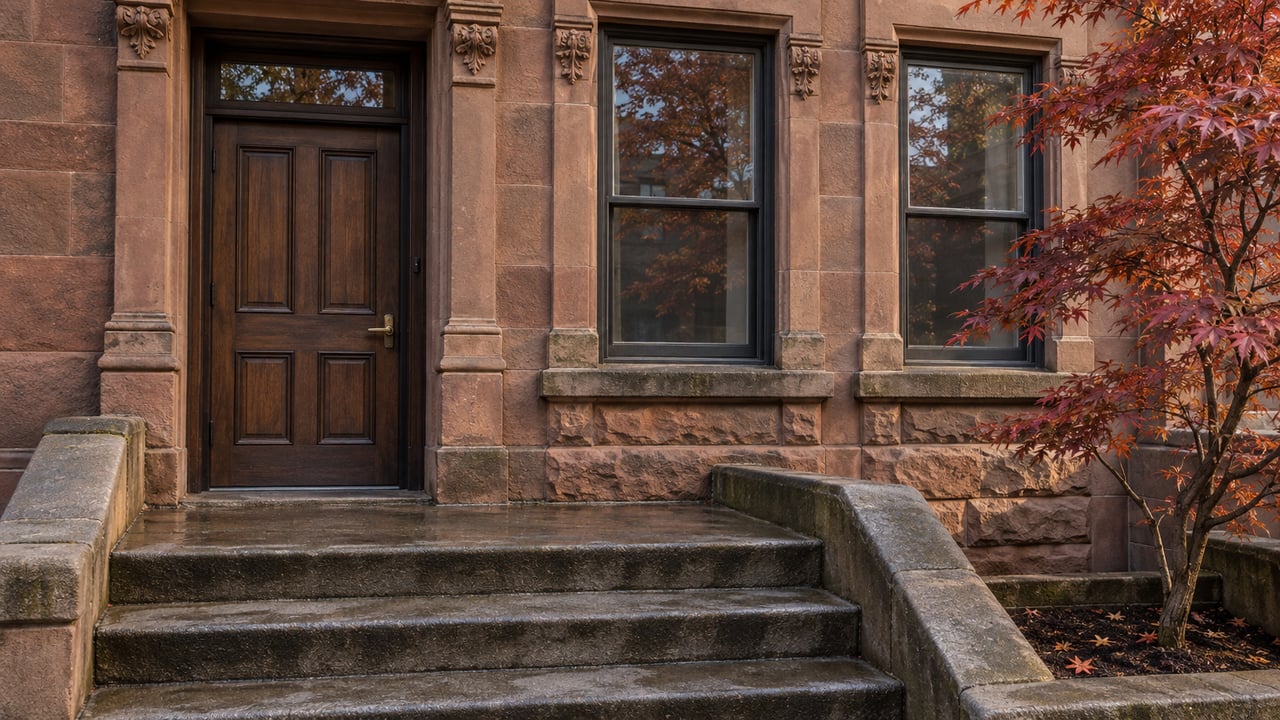
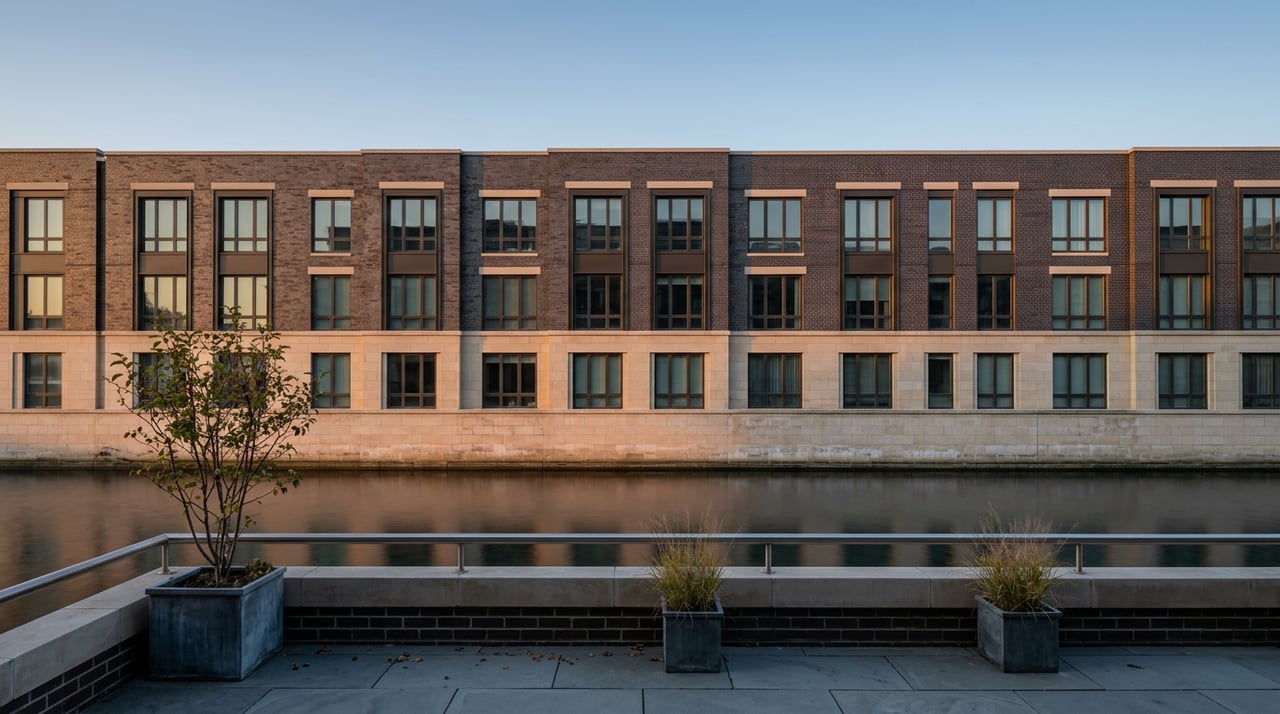
Hoboken’s housing stock spans historic brownstones, classic walk-ups, and newer waterfront condominiums. The waterfront tends to offer newer buildings and amenities, often with higher purchase prices or HOA fees. Interior blocks deliver a traditional townhome feel and may come with different price points and space layouts.
Renting vs. buying
The market is competitive and priced higher than national averages. Many renters transition to buying when they want more bedrooms, outdoor space, or a long-term plan. If you are deciding between a new rental tower and a condo in a smaller building, the tradeoffs are often amenities and views versus price per square foot and monthly fees.
Parking and car ownership
Street parking is limited and regulated by zones, and garages add cost. Many residents live car-free because transit is so strong. Families may keep one car for weekends and trips beyond the city. If you know you will need a vehicle, budget for a resident permit or a monthly garage before you sign a lease or submit an offer.
Costs beyond the mortgage or rent
Factor utilities, HOA or amenity fees, and local taxes into your budget. Older buildings may have seasonal heating costs, while newer buildings sometimes add amenity and service fees. Your monthly total can vary by building type and age, so review the full cost picture when you compare homes.
Schools and childcare
The Hoboken Public School District serves the city, and several private and charter options operate in and around town. Availability and program details can shift year to year. Families often review district and state resources and visit schools to understand programs and class sizes.
For childcare, demand is steady and waitlists can appear for sought-after centers. Many families choose locations near Hoboken Terminal or near one parent’s workplace to simplify drop-off. Parent networks, local babysitters, daycare centers, and carpools are common supports.
Choosing your spot in Hoboken
Proximity to PATH or ferry
If a daily PATH commute is in your future, living within a 10 to 12 minute walk of the terminal can reduce stress and variability. If you plan to use ferries a few days a week, check walking times to both your preferred ferry landing and the PATH as a backup.
Waterfront vs. interior blocks
Waterfront buildings often provide newer finishes, amenities, and views. Interior blocks offer a classic streetscape and a quieter, neighborhood feel on many streets. Your choice depends on budget, space, and how much you value a quick walk to the terminal.
Noise and crowd patterns
Some blocks near nightlife and busy corridors can be louder, especially on weekends. The waterfront draws visitors on sunny days. If sound levels matter to you, walk the area in the evening, on a weekday morning, and on a sunny weekend before you decide.
Practical tips to settle in smoothly
- Plan door to door. Include your walk, elevator time, and terminal exit in your estimates.
- Test your routes. Try PATH to Midtown and to the World Trade Center, and note your backup ferry option.
- Keep a Plan B. Save an alternate route for service changes or bad weather.
- Time your mornings. Leaving 10 minutes earlier can make a big difference in comfort.
- Budget smart. Balance monthly transit passes, resident parking or a garage, and any amenity fees.
- Visit at peak and off-peak. See the neighborhood at rush hour, after dinner, and on a busy weekend afternoon.
- Choose gear that fits your routine. A foldable scooter, a reliable tote, and a good rain layer make commuting easier.
Is Hoboken right for you?
If you want more space without losing your fast Manhattan access, Hoboken delivers. You get a true neighborhood with parks, a waterfront, and a main street, along with multiple ways to reach Midtown and Lower Manhattan. With clear expectations on commute times, parking, and fees, you can plan a routine that fits your life.
When you are ready to explore buildings, blocks, and specific commute tradeoffs, connect with a local expert who lives and works here. For hands-on guidance tailored to your goals, reach out to Staci Manoukian.
FAQs
How long is the Hoboken to Midtown commute?
- Many commuters see roughly 20 to 45 minutes door to door via PATH, depending on your starting point, platform waits, and your Midtown destination.
What about Hoboken to the World Trade Center?
- PATH to the World Trade Center often falls in the 20 to 40 minute door-to-door range; ferries can be quick on the water but run less frequently.
Are ferries worth the extra cost?
- Many riders find ferries worth it for a seat, views, and reliability on days when trains are crowded or disrupted, and use them as a backup or comfort option.
Can I live car-free in Hoboken?
- Yes. The city is highly walkable with strong transit, so many households skip car ownership. Families may keep one car for weekends or out-of-town travel.
How crowded is PATH during rush hour?
- Trains are frequent but busy during peak times. Leaving a bit earlier or later and standing near less-crowded car doors can improve your ride.
What should families know about schools and childcare?
- The public district serves Hoboken and there are private and charter options; visit schools, review current resources, and plan ahead for childcare availability and waitlists.