Wondering what everyday family life in Hoboken actually feels like once the novelty wears off? For many parents, that question matters more than any property photo or listing detail. If you are trying to picture school mornings, stroller walks, park stops, and grocery runs in real life, Hoboken offers a routine that is compact, active, and built around getting a lot done close to home. Let’s dive in.
Daily life is compact
One of the biggest things that shapes family life in Hoboken is the city’s size. Hoboken covers about 1.25 square miles, which means many errands, school drop-offs, play breaks, and transit connections happen within a small area.
For you, that often translates into less time coordinating long drives and more time stacking daily tasks into a walkable routine. In practical terms, families can often move from home to school, then to a park, library, market, or commuter connection without needing a car for every stop.
School routines feel neighborhood-based
Hoboken Public Schools serves 3,510 students across five schools, and district students speak 21 languages. The district’s school buildings are spread across the city on Clinton, Monroe, Willow, Fourth, and Ninth streets, which helps create day-to-day routines that feel tied to your immediate area.
School hours also shape the weekday rhythm. Hoboken Public Schools now operate from 8:15 a.m. to 3:00 p.m. each day, so many families build their afternoons around pickup logistics, after-school activities, and dinner timing.
Weekday mornings move quickly
In a compact city, mornings often depend on proximity and predictability. If your school, transit stop, and coffee run are all within a short stretch, the day can feel more manageable, especially with young kids.
That neighborhood-based setup is a real part of Hoboken’s appeal for families. Instead of structuring the whole day around commuting between spread-out destinations, you are often working within a smaller, more connected footprint.
After-school matters here
Because the school day ends at 3:00 p.m., after-school options play an important role in family schedules. Hoboken Public Schools offers Passport to Learning from dismissal until 6:00 p.m. for rising K-8 students, with enrichment, homework support, free play, and dinner options.
For middle school students, Explorations at Hoboken Middle School runs from dismissal until 5:30 p.m. The district describes it as free and centered on homework support, clubs, and interest-based activities.
Getting around with kids is easier than you might expect
Hoboken Terminal is the city’s main transit hub, with NJ TRANSIT rail, PATH, ferry, bus service, and the Hudson-Bergen Light Rail all converging in one place. That gives families a wide range of options for commuting, meeting caregivers, heading into Manhattan, or getting around Hudson County.
PATH from Hoboken reaches Midtown and Lower Manhattan, while light rail and bus service connect other parts of the county. If your routine includes work in the city, local appointments, or visits to nearby neighborhoods, that transit network can make family logistics feel more flexible.
Family transit costs can help
NJ TRANSIT says children ages 5 to 11 ride at half price. It also says up to three children ages 4 and under can ride free with a paying adult on family travel options.
That may not change your entire housing decision, but it can make regular family outings or weekend transit trips feel more accessible. In a city where many people mix walking and public transit, those details add up.
Parks shape everyday outdoor time
Hoboken says it has about 53 acres of park space, or roughly 1 acre per 1,000 residents, and that all residents live within a 5-minute walk of a park. For parents, that is not just a nice extra. It influences how afternoons, weekends, and even quick breaks between errands can look.
The result is a city where outdoor time can fit naturally into daily life. You do not always need to plan a major outing to give your kids space to move around.
Church Square Park for central routines
Church Square Park sits in the center of town and includes a playground, dog run, basketball courts, and passive space. For many families, a park like this works well for casual meetups, post-school play, or a simple reset in the middle of the day.
Because it is integrated into the city rather than set apart from it, park time can feel like part of your normal routine instead of a separate event. That is a meaningful difference when you are managing a busy family schedule.
Waterfront parks add variety
Pier C Park includes a fishing pier, play area, water play area, and promenade. Sinatra Park includes a kayak launch, outdoor amphitheater, soccer field, concession, and restrooms.
Those spaces help broaden what an ordinary afternoon or weekend can look like. Some days that might mean a stroller walk by the water. Other days it might mean a playground stop, scooter ride, or family walk with room to linger.
Newer park spaces expand options
In September 2025, the expanded Southwest Resiliency Park opened with six pickleball courts, a basketball court, a playground, splash pad, swings, shade structures, restrooms, and a social plaza. The city also notes that the park serves as flood-mitigation infrastructure.
Hoboken also highlights ResilienCity Park and 7th & Jackson Resiliency Park as recreation spaces that also support stormwater management. For families, that means some of the city’s outdoor spaces are doing double duty as both play areas and pieces of local infrastructure.
The waterfront works for everyday movement
In March 2026, the city reopened a key waterfront segment and adjacent multi-use path along Sinatra Drive with ADA upgrades, benches, railings, drinking fountains, and new pedestrian lighting. That matters because it supports everyday use, not just occasional recreation.
If you have a stroller, small bike, or scooter in the mix, a well-designed path can become part of your regular route. It helps make the waterfront feel useful on a Tuesday, not just beautiful on a Saturday.
Preschool, library, and programs fill in the gaps
For many families, the best test of a neighborhood is what happens between major obligations. Hoboken offers several types of programming that can help fill those in-between hours with structure, learning, and low-key fun.
The Hoboken Public School District offers state-funded full-day preschool for qualifying 3- and 4-year-olds. For parents with younger children, that can be a meaningful part of the local family support system.
Library programming supports all ages
Hoboken Public Library offers kids programming that includes open play, seasonal reading challenges, story times for babies, toddlers, and big kids, bilingual story time, yoga story time, outdoor story time, and school-readiness events. That gives families recurring options that work across different ages and stages.
The Grand Street Branch at 124 Grand Street adds another neighborhood resource, with children’s and teen collections and weekly programming. Having more than one library touchpoint can make it easier to build regular routines close to home.
Arts and recreation can mix together
The city runs youth arts programming for toddlers through teens, coordinated with Recreation so children can do sports in the morning and arts classes in the afternoon. For families, that kind of coordination can make full-day planning simpler.
It also reinforces the idea that Hoboken family life is often built around nearby, repeatable activities. You are not always hunting for one big destination. Often, you are choosing from several local ones.
Weekends stay local
Hoboken’s weekend rhythm is strongly neighborhood-based. The city runs three seasonal farmers’ markets in downtown, midtown, and uptown locations, giving families regular spots for produce runs and a reason to be out on foot.
That kind of setup supports a simple weekend pattern. You can pick up groceries, walk to a park, stop at the waterfront, and still keep the day manageable.
Seasonal events add to the routine
The city also hosts family events such as the annual Harvest Festival at Pier A Park and the South Waterfront Walkway. These types of events can help make the city feel active without requiring a major travel plan.
For parents, that matters. A family-friendly outing is often easier when it fits into the neighborhood you already know and move through each week.
Housing shapes the family experience too
Hoboken’s housing stock is more apartment- and condo-oriented than a typical suburban market. The Census Bureau reports an owner-occupied housing rate of 33.8%, and the city’s Division of Housing oversees affordable housing and rent-controlled units.
That context matters if you are trying to picture day-to-day life with kids. In Hoboken, many families are making urban homes work through smart layouts, strong routines, and proximity to parks, schools, and services.
Older homes add character and rules
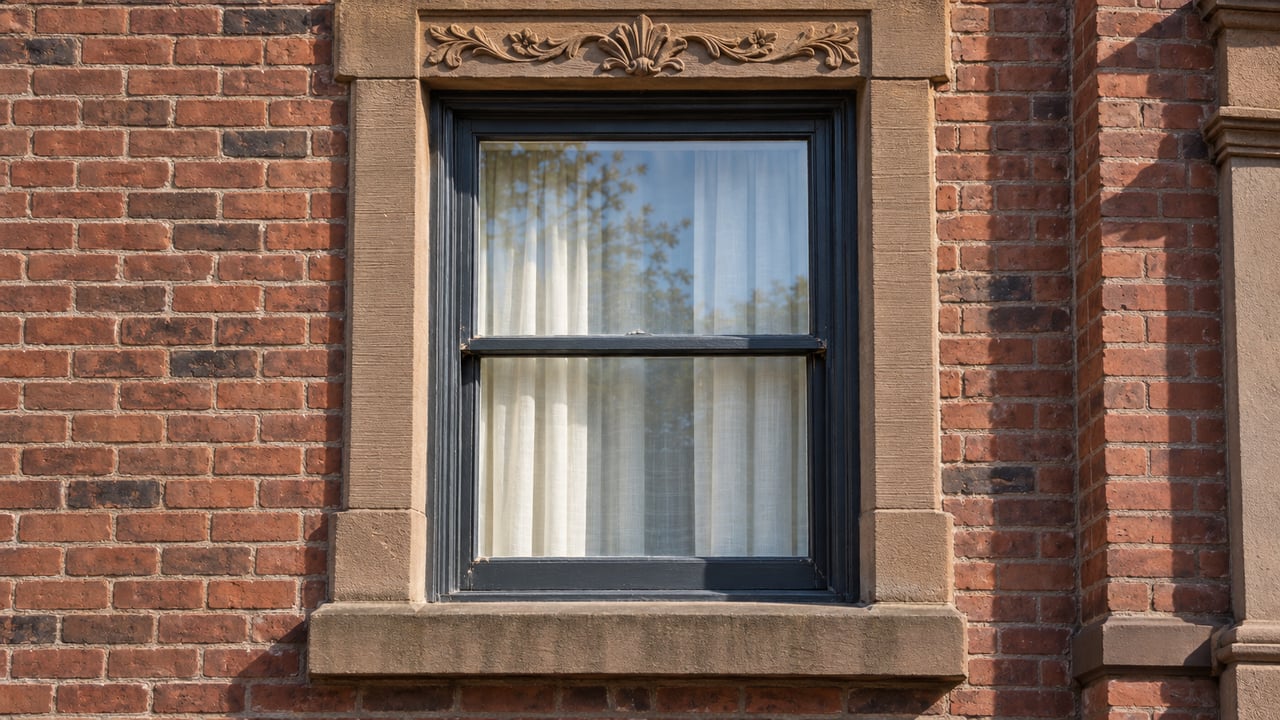
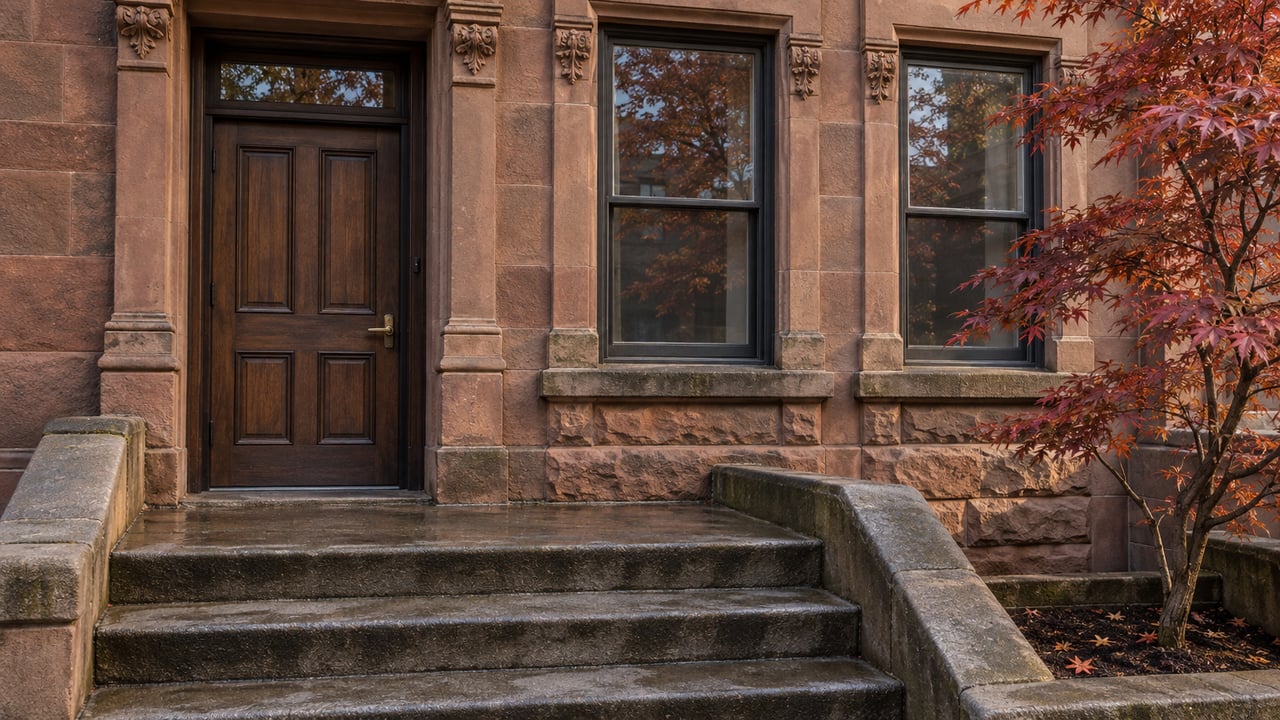
Hoboken also has a locally designated historic district, and the Historic Preservation Commission reviews exterior changes to buildings within it. That is one clue that much of the housing stock is older and shaped by preservation rules.
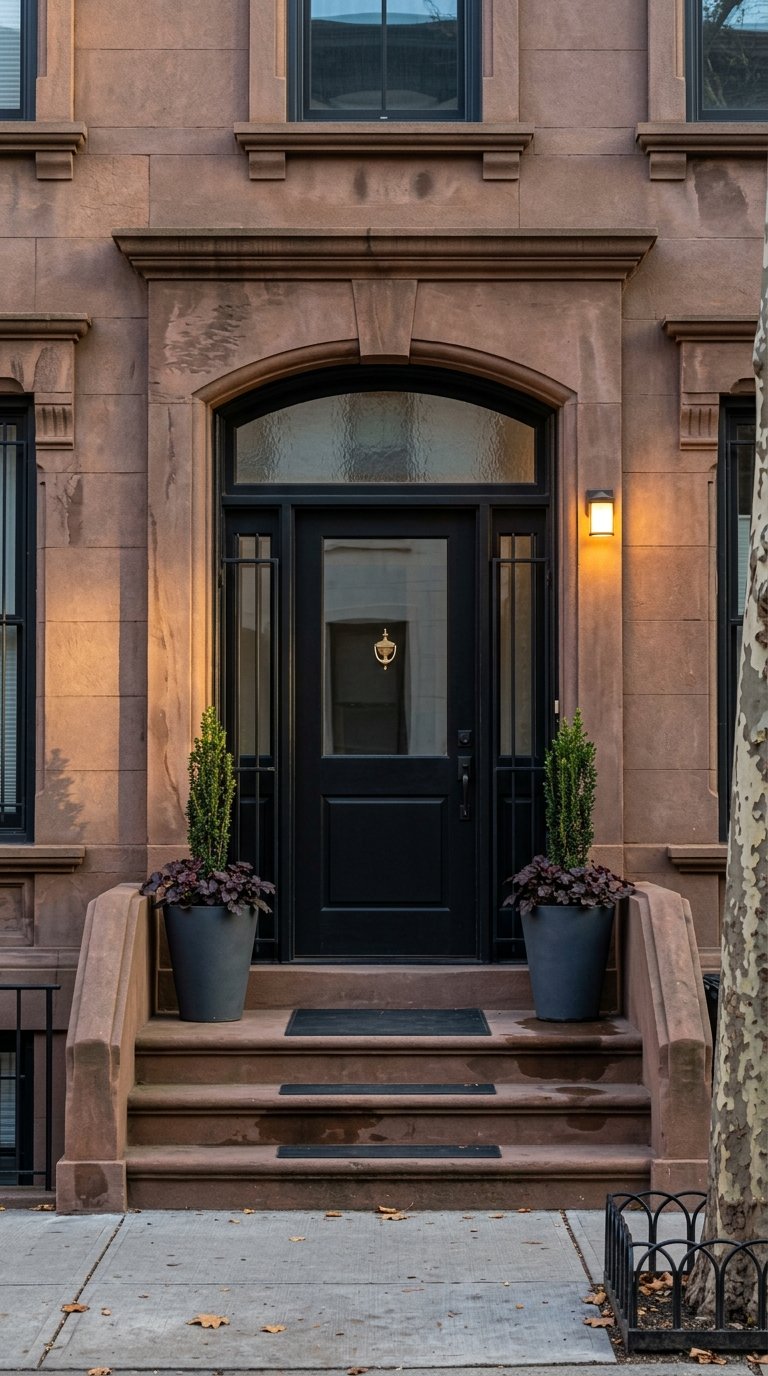
If you are considering a brownstone, condo in a historic building, or other character-rich property, that local context can affect both your experience and your planning. It is part of what gives Hoboken its look and feel, but it is also something to understand clearly when you start your home search.
What family life in Hoboken often feels like
Taken together, Hoboken reads as an urban neighborhood city where the daily cycle often looks like school, a park or waterfront stop, a library or after-school program, and a quick grocery or dinner run. The city’s small footprint, transit access, park network, and family programming all support that kind of rhythm.
If that sounds like the kind of lifestyle you want, the details matter block by block. The right fit often comes down to how close you want to be to transit, parks, schools, or your usual daily stops. If you want help thinking through what that looks like in real life, Staci Manoukian can help you match your home search to the way your family actually lives.
FAQs
What is daily family life like in Hoboken?
- Daily family life in Hoboken often centers on school, nearby parks, waterfront walks, library visits, after-school programs, and short errands within a compact city layout.
How do families get around Hoboken with kids?
- Families often combine walking with Hoboken Terminal transit options, including NJ TRANSIT rail, PATH, ferry, buses, and light rail, depending on their routine.
What parks do Hoboken families use most often?
- Families have access to parks across the city, including Church Square Park, Pier C Park, Sinatra Park, Southwest Resiliency Park, ResilienCity Park, and 7th & Jackson Resiliency Park.
What after-school options are available in Hoboken?
- Hoboken Public Schools offers Passport to Learning for rising K-8 students until 6:00 p.m. and Explorations for middle school students until 5:30 p.m.
What kids programming does Hoboken Public Library offer?
- Hoboken Public Library offers open play, reading challenges, story times for different age groups, bilingual story time, yoga story time, outdoor story time, and school-readiness events.
Is Hoboken a car-dependent place for families?
- Hoboken’s compact size, neighborhood school distribution, park access, and strong transit network can make many family routines less car-dependent than in more spread-out communities.