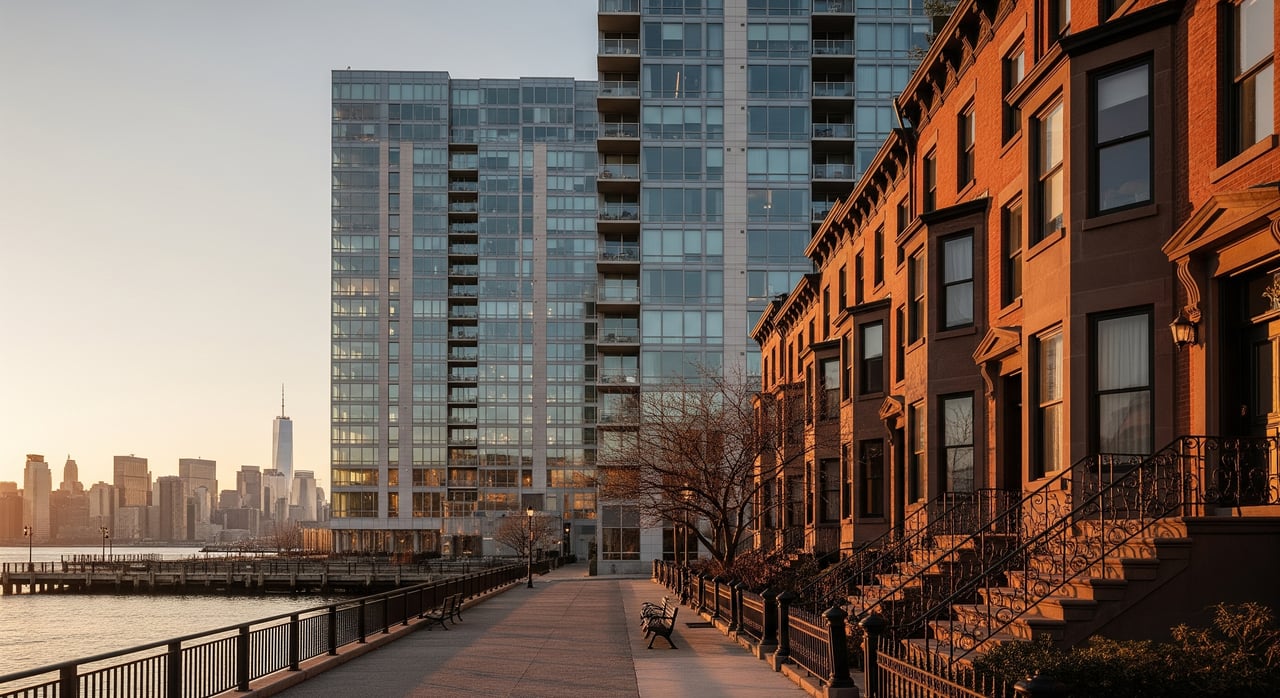
Hoboken may be just over 1 square mile, but it lives like a collection of distinct micro-markets. If you are trying to choose between Uptown, Downtown, or the Southwest, the differences in buildings, pricing drivers, and everyday routines can feel confusing. You want a clear mental map and practical steps to act with confidence. This guide breaks down Hoboken’s key corridors so you can narrow a search or position a future listing with precision. Let’s dive in.
Hoboken micro-markets at a glance
Think of Hoboken in simple layers: the Hudson River waterfront on the east edge, Washington Street as the central retail spine, and neighborhoods that feel different block by block. For this guide, use three functional zones rather than strict borders. Downtown centers on the southern waterfront and Hoboken Terminal. Uptown is the quieter north, closer to Stevens Institute. The Southwest sits west of Washington and near the municipal edges with more mixed uses.
Why use micro-markets instead of a single “Hoboken market”? Building age, transit access, and lifestyle vary within a few blocks. Those details change demand, pricing, and even insurance. When you match your priorities to the right corridor, you save time and make stronger decisions.
Inventory and building types
Hoboken offers a mix of historic and modern inventory. Knowing where each type concentrates helps you compare value and carrying costs.
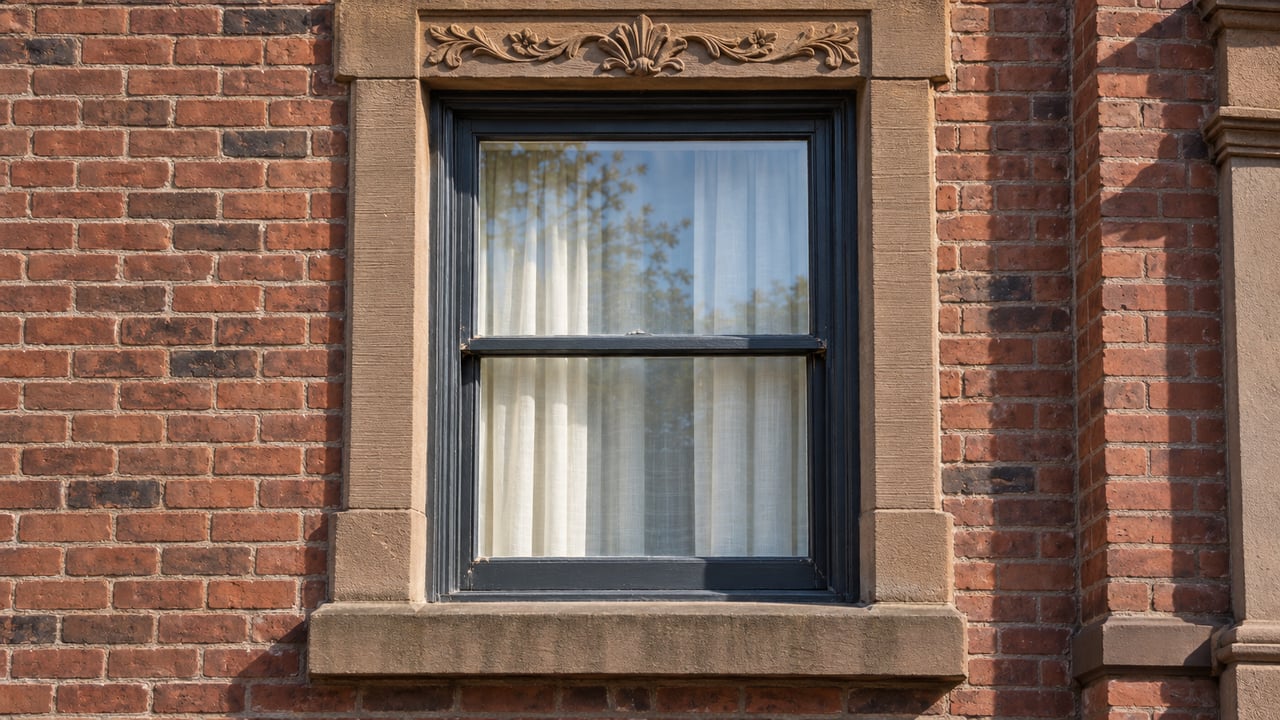
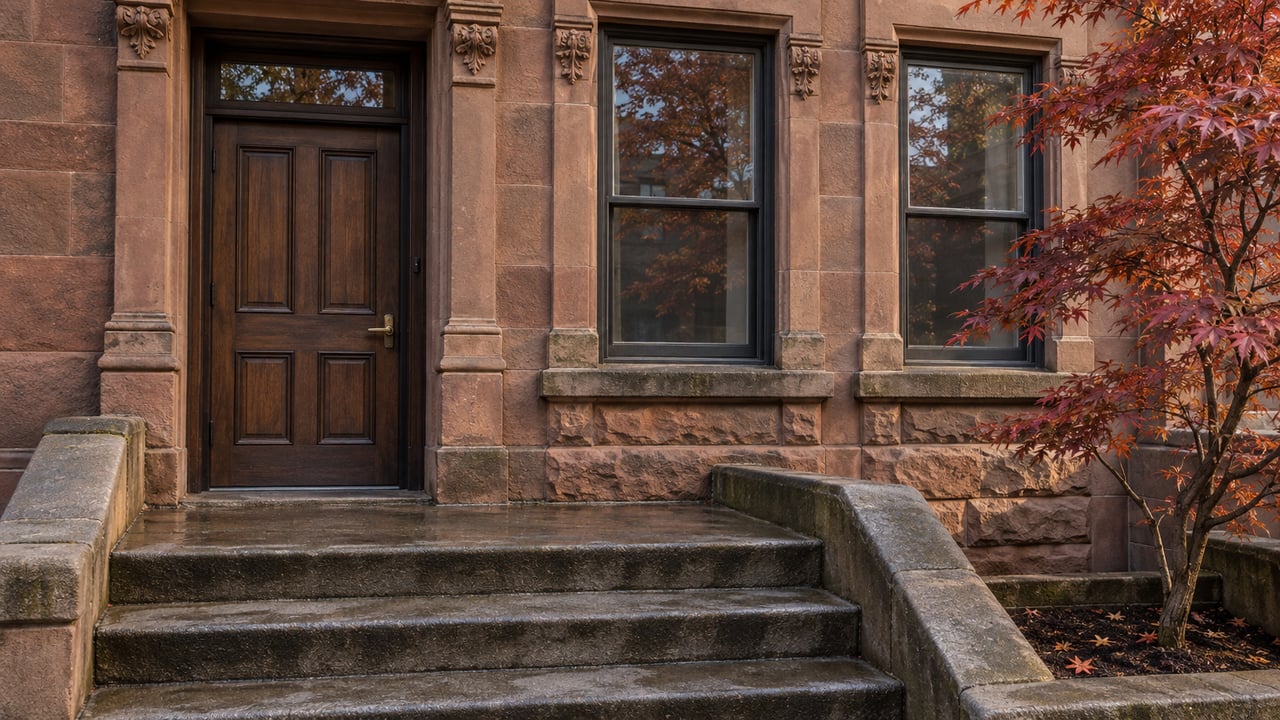
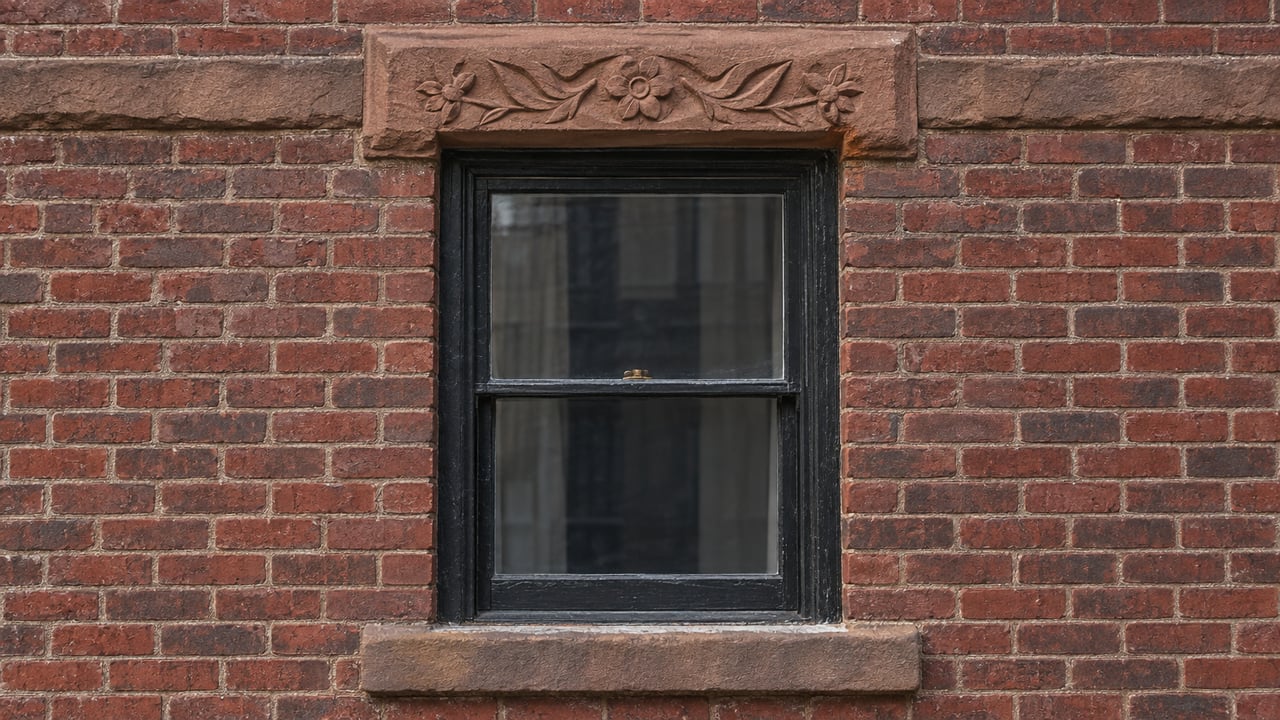
- Pre-war brownstones and rowhouses: Most common on interior residential blocks and much of Uptown. These homes offer character and potential for multi-unit ownership. Expect private upkeep rather than shared HOA.
- Walk-up apartments and smaller co-ops/condos: Found across side streets off Washington and throughout interior blocks. Lower common charges are common, but amenities and parking may be limited.
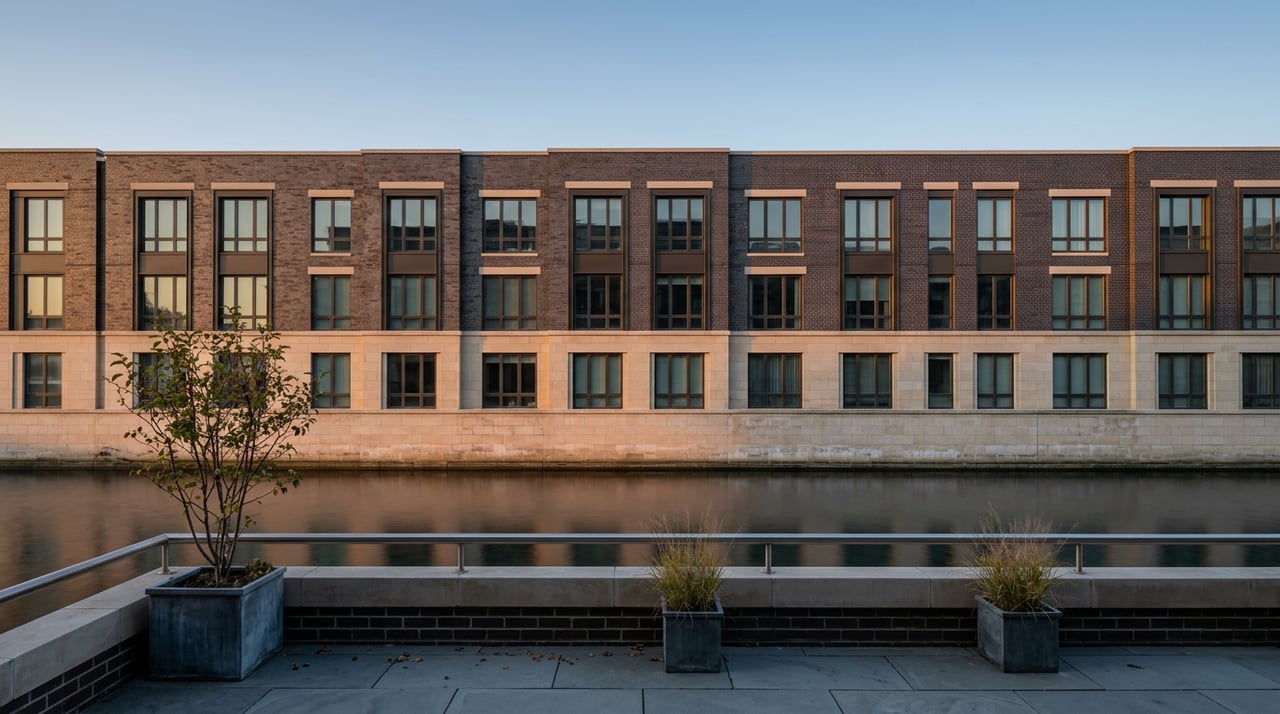
- Modern mid-rise and high-rise condos: Concentrated along the waterfront and near Hoboken Terminal. These buildings emphasize amenities like gyms, concierge, and elevators, with higher HOA fees.
- Newer luxury towers: Largely on the waterfront and transit-adjacent southern corridors. They compete on services, finishes, and river views.
- Mixed-use along Washington Street: Ground-floor retail with residences above. The lifestyle focus is walkability to shops and restaurants.
What this means for you:
- Maintenance: Brownstones and rowhouses mean direct ownership and variable upkeep. Condos offer centralized maintenance through an HOA.
- Parking and storage: Often limited in older buildings. Newer properties may offer assigned parking or storage, which adds value.
- Amenities and lifestyle: Waterfront towers deliver views and services. Washington Street and Downtown locations deliver nightlife and transit. Uptown leans historic and neighborhood feel.
Pricing drivers and key risks
Several factors consistently shape Hoboken pricing and buyer demand.
- Transit proximity: Being close to Hoboken Terminal, PATH, and ferries is a major premium, especially in Downtown.
- Waterfront exposure and views: Unobstructed river views and immediate access to waterfront parks command higher prices.
- Building age and condition: New construction and renovated homes earn higher prices per square foot. Historic charm can add value when systems and finishes are updated.
- Supply constraints: In a small city, certain product types are scarce. Townhouses and larger condos with outdoor space are limited, which supports pricing.
- Walkability and retail access: Blocks near the Washington Street spine benefit from strong lifestyle demand.
Flood risk and insurance deserve special attention. Parts of Hoboken sit in FEMA flood zones or have a history of tidal or storm-related flooding. Ground-floor and basement units can face higher insurance costs and lender scrutiny. The city has invested in flood mitigation, and risk profiles evolve over time. Always request elevation certificates, review any flood claims, and get an insurance estimate early in your process.
Carrying costs also matter. Property taxes, HOA fees, and potential assessments should be factored into your monthly budget. For sellers, net proceeds hinge on fees, timing, and any make-ready or staging investments.
Zoning and public projects can shift local dynamics. New redevelopment, waterfront improvements, or corridor plans can add supply or enhance a block’s appeal. Keep an eye on municipal planning updates when making medium-term decisions.
Lifestyle and commute by corridor
Downtown: transit and waterfront
Downtown offers the quickest access to Hoboken Terminal and the ferry slips. If you want a short NYC commute, it is the most convenient corridor. You will also find the highest concentration of restaurants, nightlife, and waterfront parks like Pier A. Expect more foot traffic and evening activity near Washington Street and the river.
Uptown: quieter, historic fabric
Uptown delivers tree-lined blocks, a residential feel, and proximity to Stevens Institute. You will see more brownstones, walk-ups, and smaller retail pockets. The commute can be a longer walk to the terminal or ferry compared with Downtown, but many residents use local shuttles or short rides. If you value character and a calmer pace, Uptown is a strong fit.
Southwest: mixed-use and value pockets
The Southwest and western blocks include mixed-use streets, mid-century buildings, and some light industrial edges. Historically, value opportunities appear here relative to the waterfront and Washington Street. Public transit access varies by block, and some residents prioritize easier car access and parking options. Periodic redevelopment interest can shift supply and pricing quickly.
How to narrow your search
Start with lifestyle filters that reflect how you live day to day. Then layer in building type and carrying costs.
Ask yourself:
- Is a sub-10 minute walk to Hoboken Terminal or the ferry essential, or would a longer walk or short ride work?
- Do you want waterfront views, or do you prefer a quieter street with character and outdoor space?
- Are you comfortable paying higher HOA fees for amenities and services, or do you prefer lower monthly costs with more hands-on upkeep?
- How important are parking, storage, and in-building amenities?
Use micro-market tradeoffs:
- Choose Downtown if you want direct transit, nightlife, and newer condo options with amenities.
- Choose Uptown if you prefer brownstone charm, a neighborhood feel, and smaller retail clusters.
- Choose the Southwest if you are value-oriented, flexible on transit, or prioritize easier driving access.
Do thorough due diligence:
- Flood and insurance: Request an elevation certificate, ask for any flood claims history, and secure an insurance quote before making a strong offer.
- Building health: Review HOA meeting notes, reserve studies, pending assessments, and building rules for rentals and parking.
- Unit-level checks: Confirm storage, HVAC age, window condition, and any recent system upgrades.
Selling strategy by micro-market
Position your listing around what buyers value most in that corridor. Lead with the benefits buyers cannot replicate easily.
- Downtown and waterfront condos: Highlight transit timing, waterfront park access, building amenities, and low-maintenance living. Schedule some evening and weekend showings to showcase neighborhood energy.
- Uptown brownstones and rowhouses: Emphasize historic detail, private outdoor space, quieter blocks, and proximity to Stevens. Document mechanical upgrades, insulation, and any flood mitigation improvements to support confidence.
- Southwest listings: Lead with value per square foot, renovation potential, or convenient car access. Provide clear context on any flood history and note nearby public improvements.
Pricing and presentation tips:
- One-bedrooms or transit-adjacent condos: Price to the current competition and market to commuters and investors. Stress convenience and predictable upkeep.
- Townhouses and larger units: Stage for flexible living with work-from-home spaces and organized storage. Showcase outdoor areas and any options for future expansion.
- Ground-floor homes: Proactively address flood concerns. Share documentation on raised mechanicals, flood vents, or recent remediation, plus current insurance details.
Next steps
When you align your search or your listing strategy to Hoboken’s micro-markets, you make clearer, faster decisions. You also capture the right audience, whether that is a commuter who needs the PATH or a buyer drawn to brownstone character. If you want block-level guidance and premium marketing support, connect with Staci Manoukian for a tailored plan.
FAQs
What are the main differences between Uptown, Downtown, and the Southwest in Hoboken?
- Downtown prioritizes transit and nightlife, Uptown offers a quieter residential fabric with more brownstones, and the Southwest is more mixed-use with value pockets and varied transit access.
How does flood risk affect Hoboken home buying?
- Flood history and elevation can impact insurance costs, lender requirements, and resale. Request elevation certificates, review any claims, and get quotes before you bid.
Do waterfront condos in Hoboken have higher HOA fees?
- Typically yes. Newer waterfront and amenity-rich buildings often carry higher monthly fees that cover services like gyms, concierge, and elevators.
Where is parking easier to find in Hoboken?
- Assigned parking is more common in newer or larger buildings, and some Southwest blocks can be more car-friendly. Street parking is competitive and usually permit-based.
Which Hoboken micro-market tends to hold resale value best?
- Locations close to major transit and with river views draw consistent demand. Property type, condition, and how well risk factors are managed also play a role.
Is Uptown a good fit if I work in Manhattan?
- Yes, if you are flexible on a slightly longer walk or a short ride to the terminal or ferry. Many choose Uptown for its historic feel and quieter streets while balancing the commute.