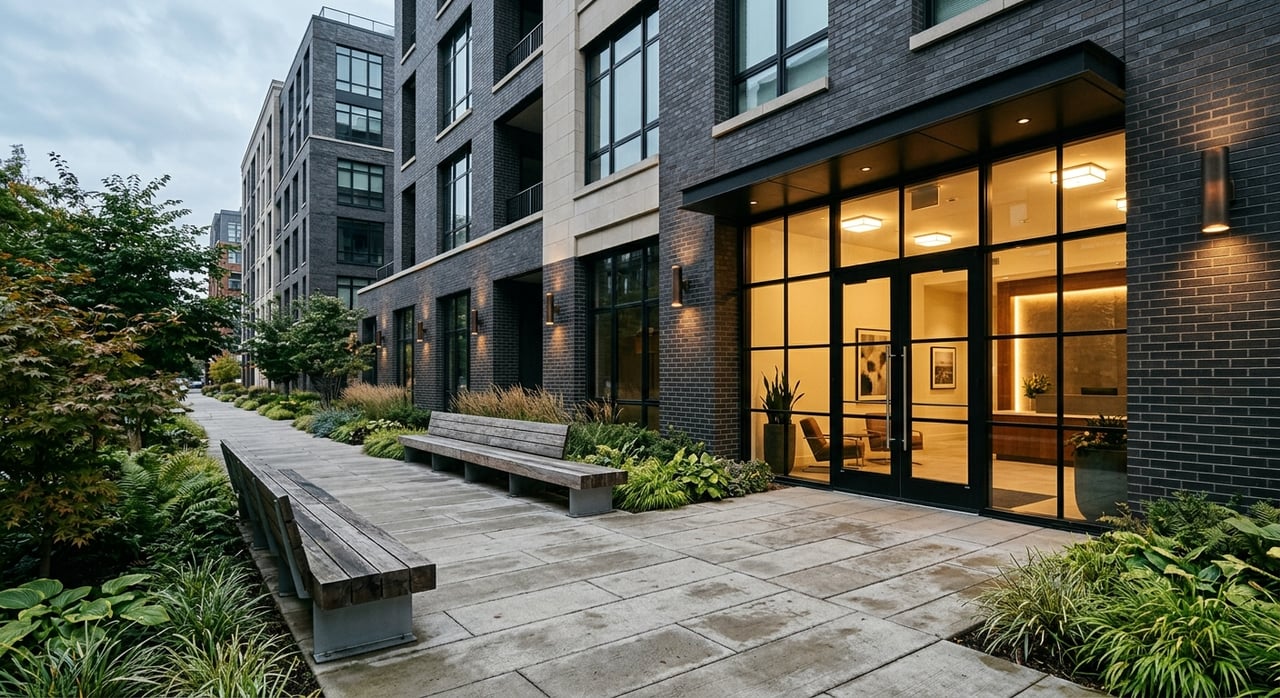
Do you want Manhattan access, skyline views, and a walkable daily routine without giving up the feel of a real neighborhood? Jersey City waterfront living appeals to many buyers and renters for exactly that reason. Along the Hudson, you can find everything from amenity-rich high-rises to historic rowhouse blocks, all tied together by public open space and strong transit connections. If you are trying to picture what everyday life actually feels like here, this guide will help you do that. Let’s dive in.
Why the Jersey City waterfront feels distinct
Jersey City’s waterfront is best viewed as a connected corridor, not a single neighborhood. The Hudson River Waterfront Walkway runs along this edge as a public-access route designed to balance development with access to the water, and the broader shoreline includes key areas like Exchange Place and Liberty State Park.
That matters in daily life because the waterfront often functions as part of your routine, not just as a place to visit. You can walk, jog, bike, or simply move between parks, residential buildings, shops, and transit in a way that feels integrated into the city.
Daily life on the Hudson
One of the biggest draws of waterfront living is how easy it is to build your day around the riverfront. The walkway and surrounding public spaces support walking, biking, jogging, fishing, bikeshare use, and kayak access, which gives the area a lived-in feel beyond the view itself.
For many residents, that creates a car-light lifestyle. You may be able to handle errands, fitness, commuting, and social plans within the downtown waterfront core without relying on a car for every trip.
What your routine may look like
A typical day here can be shaped by convenience and access. Depending on your exact location, your routine may include:
- A morning walk or run along the promenade
- Coffee or a quick errand on the way to transit
- A PATH or ferry commute into Manhattan
- Evening time in a waterfront park or open space
- Dining, fitness, or everyday shopping close to home
That kind of rhythm is one reason the waterfront continues to attract people who value both energy and ease.
How waterfront areas differ
The phrase "Jersey City waterfront" covers several very different pockets. If you are considering a move, it helps to understand how each area tends to feel day to day.
Newport
Newport is the most clearly master-planned waterfront district in Jersey City. It includes residential towers, shopping and dining, waterfront parks, Newport Green, an urban sandy beach, the waterfront walkway, and recreation options like Newport Swim and Fitness and Newport Racquet Club.
In practical terms, Newport can feel especially self-contained. Grocery, retail, dining, salon, medical, and fitness uses are clustered together, which can make daily errands simple and efficient.
Exchange Place and Harborside
Exchange Place and Harborside offer a more compact transit-and-business district feel. This area includes office properties, hotels, retail businesses, residential properties, parks, a light rail station, a PATH station, and a ferry terminal, with a mix of older, rehabilitated, and newer construction.
The pedestrian-friendly layout is a major part of its appeal. Exchange Place includes a pedestrian mall between Hudson Street and the waterfront walkway, reinforcing the promenade-like character that many people associate with this part of the shoreline.
Harborside also reflects ongoing reinvestment. Its riverwalk, retail, restaurants, and fitness offerings continue to support a live-work-play pattern that feels especially convenient for commuters.
Paulus Hook
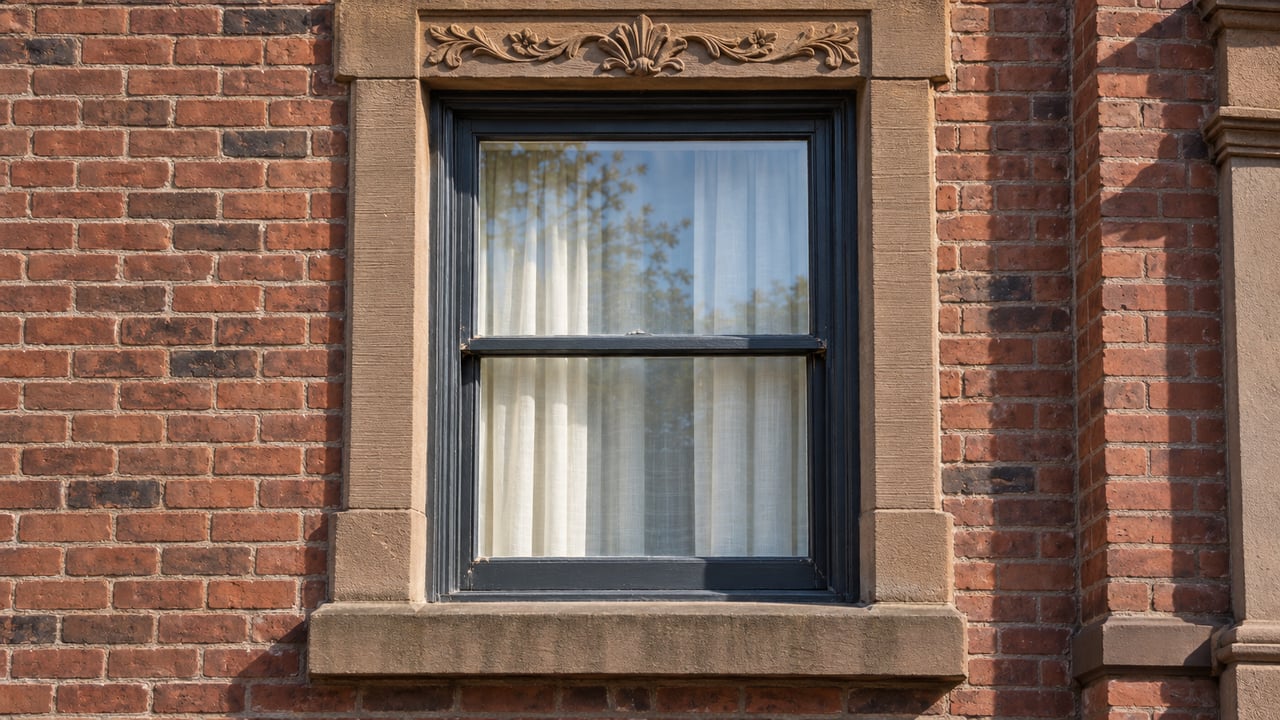
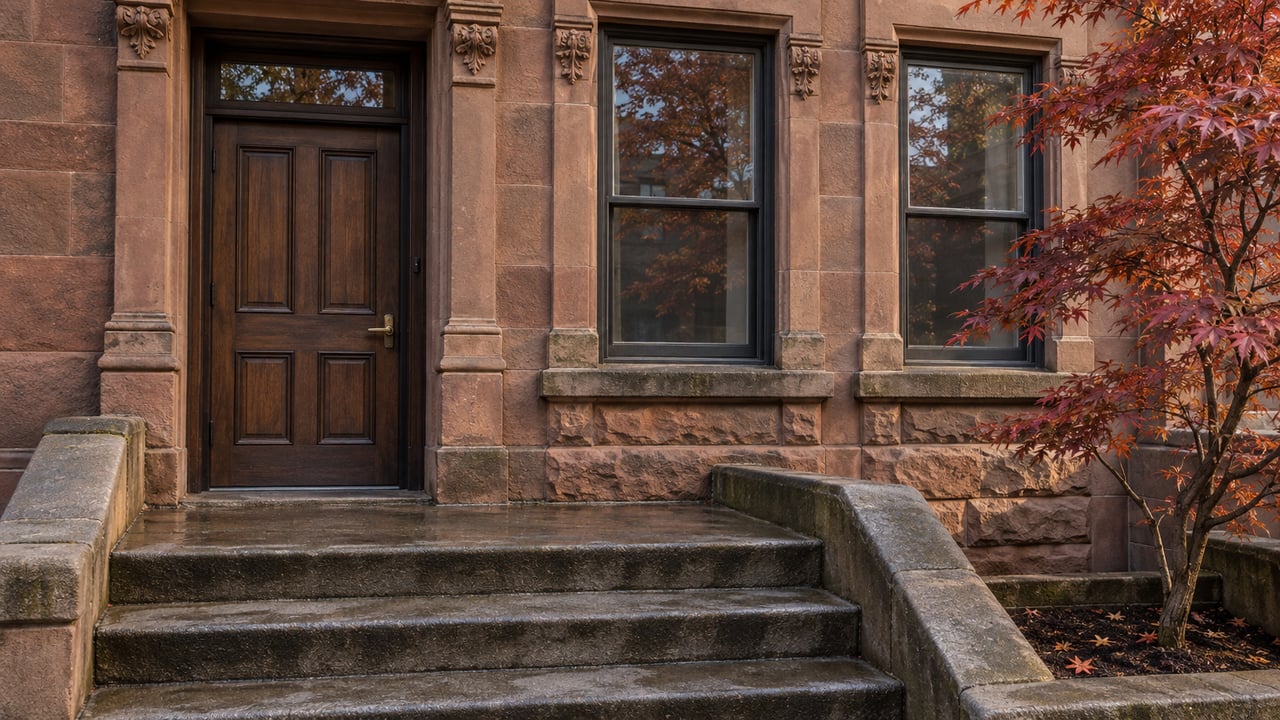
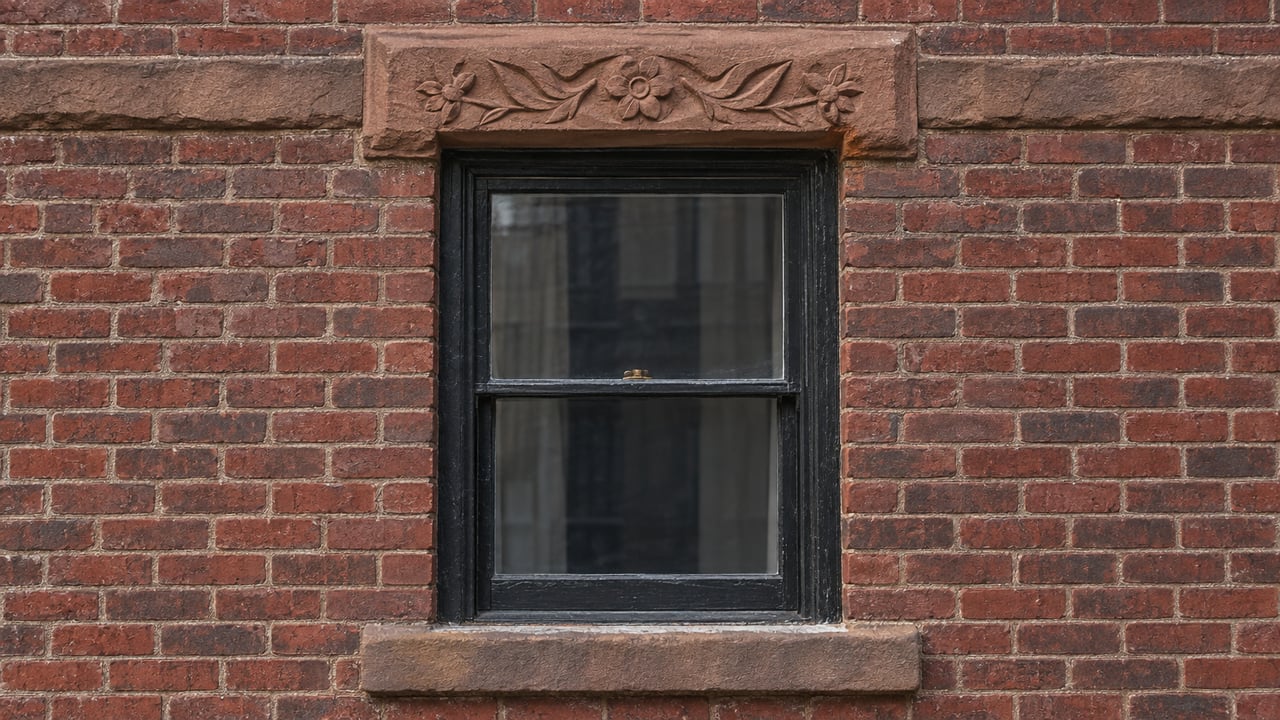
Paulus Hook offers a very different waterfront experience. It is known for its historic district, with well-preserved 19th-century brick and brownstone row houses and a more traditional streetscape than the newer tower districts.
For many buyers and renters, Paulus Hook stands out for its architectural character and lower-rise setting. If you want waterfront access but prefer a neighborhood feel shaped by historic blocks and local street life, this is often the pocket that gets your attention.
Liberty State Park edge
The southern waterfront near Liberty State Park feels broader, more open, and more recreation-focused. This part of the shoreline is less defined by dense tower clusters and more by access to large-scale open space on the Hudson River.
Liberty State Park is also a transportation and recreation asset. It is served by Hudson-Bergen Light Rail and bus routes, and it offers ferry service associated with regional destinations, adding another layer to the area’s appeal.
Amenities and errands
A major advantage of Jersey City waterfront living is the concentration of usable ground-floor amenities. In the downtown waterfront core, you can find dining, health and fitness options, retail, and everyday-service businesses woven into the neighborhood fabric.
Newport is a strong example of this setup, with anchors such as grocery, major retail, restaurants, dog runs, swim and fitness facilities, and racquet amenities. Elsewhere along the waterfront, restaurants and retail continue to build out the sense that this is not only a scenic area, but also a practical one.
Why that matters for buyers and renters
Convenience changes how a neighborhood feels over time. When errands, workouts, and commuting options are all nearby, the area tends to support a more flexible routine and less friction in daily life.
That can be especially appealing if you work in Manhattan, keep a busy schedule, or simply want the option to do more on foot. It is one thing to admire the waterfront from a distance. It is another to use it as part of your everyday life.
Commuting from the waterfront
Transit is one of the defining strengths of this area. The Hudson-Bergen Light Rail connects Bayonne and western Jersey City with major waterfront points like Exchange Place, Newport Center, and Hoboken Terminal, while also linking riders to PATH and ferry options.
PATH service is available at Exchange Place, Pavonia-Newport, and Hoboken Terminal, making it a central part of many commutes. For travel into Manhattan, the PATH network remains one of the primary transit links between Jersey City and New York.
Ferry access and multimodal options
Ferry service adds another useful option for waterfront residents. The Paulus Hook route operates on weekdays between Jersey City and Pier 11/Wall Street in Downtown Manhattan, and that same terminal also offers Midtown and Brookfield Place options.
Because the ferry terminal is close to light rail, the system works well beyond the immediate waterfront blocks. In real life, many residents benefit from a genuinely multimodal setup, using light rail, PATH, ferries, and walking in combination depending on the day.
What housing looks like
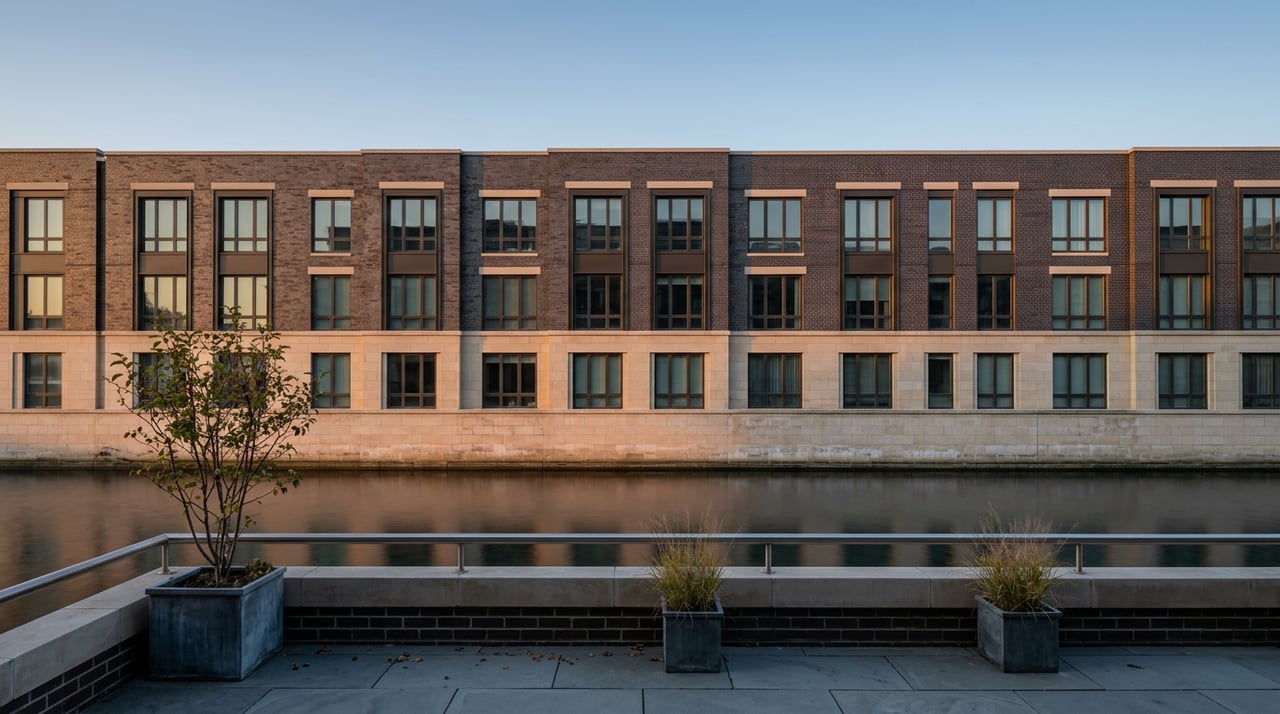
Housing along the Jersey City waterfront is not one-size-fits-all. The area includes large residential towers in Newport, mixed-use tower environments in Exchange Place and Harborside, and lower-rise historic row houses in Paulus Hook.
That range is important if you are comparing lifestyle options. A waterfront address may mean full-service condo living with extensive amenities, a mixed-use urban setting close to major transit, or a historic home with a different street-level feel.
Choosing the right fit
If you are exploring the waterfront, it helps to focus on how you want your day to function. Ask yourself whether you care most about transit speed, open space, convenience, building amenities, historic character, or some mix of all of the above.
The right fit often comes down to your habits. Some people want a polished high-rise lifestyle close to major transit hubs, while others want a quieter low-rise setting with quick access to the water and downtown.
What to keep in mind when you start your search
The biggest takeaway is simple: Jersey City waterfront living is not a single experience. It is a connected stretch of neighborhoods and districts that share the Hudson shoreline, but each pocket offers a different balance of density, architecture, amenities, recreation, and transit.
That is why local guidance matters. If you are comparing waterfront condos, historic homes, or investment opportunities in Jersey City, a neighborhood-level view can help you narrow your options faster and focus on the areas that actually match your lifestyle goals.
If you are thinking about buying, selling, renting, or investing along the Jersey City waterfront, Staci Manoukian offers hands-on guidance rooted in deep Hudson County market knowledge and a personalized approach.
FAQs
What is Jersey City waterfront living like day to day?
- Daily life on the Jersey City waterfront often includes walking or biking along the Hudson River Waterfront Walkway, using nearby transit, and handling errands, dining, and fitness close to home.
What are the main Jersey City waterfront areas to know?
- The main waterfront pockets discussed most often are Newport, Exchange Place, Harborside, Paulus Hook, and the Liberty State Park edge, and each offers a different living experience.
Is the Jersey City waterfront good for commuting to Manhattan?
- Yes, the waterfront offers strong commuting options through PATH, ferry service, and Hudson-Bergen Light Rail connections.
What types of homes are common on the Jersey City waterfront?
- Housing types vary widely and include high-rise residential towers, mixed-use condo environments, and historic brick and brownstone row houses.
Is it possible to live on the Jersey City waterfront without relying heavily on a car?
- For many residents, especially in the downtown waterfront core, a car-light lifestyle is realistic because transit, open space, shops, dining, and fitness options are close together.